AUG 28th – Schooling Redfish on the Clea
Augustus 28, 2025 Clearwater 1 foto
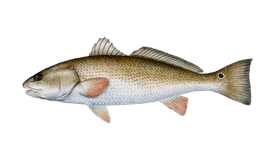
Redfish
Redfish
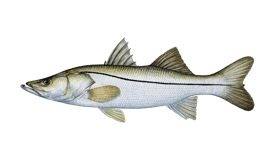
Snook
Binnensnoek

Overzicht van de Trip

Last week’s preview called for schooling reds on the Clearwater and Dunedin flats—and they showed. On our Fishing Charters this week we focused on low-water pushes along grass–sand transitions from Clearwater Beach up through the Dunedin Causeway corridor, keying on skinny troughs, pothole chains, and the first dark edges off the bars. The play was patience: find bait flicks, watch for nervous water, and set up ahead of the school instead of chasing it. Conditions Recap Mornings started on low tide and light breeze, laying the flats down just enough to see pushes at 80–100 feet. Water clarity was good with a green tint; sun helped us read potholes and ray craters where reds staged before sliding up-current. Our best windows were the last hour of the outgoing and the first 90 minutes of incoming—classic “fish have to move” periods. Where We Fished & Why We hopscotched grass/sand mosaics behind the barrier islands, then worked closer to the Causeway as water filled. On the bottom of the tide, reds grouped tight on the white plates (potholes) and on bar tips where current pinched. As the tide turned, schools pushed along edges parallel to the shoreline; we set up 40–60 yards off their lane and let the fish come to us. If wakes got jittery, we backed off and drifted with the wind to keep pressure low. Lures, Flies & Presentations Paddletails (3” NLBN) on 1/8 oz jig heads: steady medium retrieve, then pause as the school passes—most eats came right after that stall. Gold spoons (¼ oz) for covering water; tick them just above the grass and keep them moving. Jerk shads (soft plastic) on weighted hooks for ultra-skinny drifts; twitch–twitch–glide. White Leaders: 20–25 lb fluoro; if you must go lighter for a bite, check fray every fish. Results Snapshot Reds: Consistent school encounters with a handful of upper-slot fish mixed in. Best numbers came when we refused to chase and let lanes reload. Trout: Bonus bites on pothole edges during the brighter part of the morning. Snook: A couple surprise edge fish on paddletails near creek mouths as the water climbed. What Worked (Keep/Repeat) Set the trap, don’t chase: Schools settle down when they aren’t being herded. Lead farther than you think: 8–12 feet in front, not at their noses. Small, natural baits: Downsizing sealed the deal in skinny water. Quiet feet, quiet deck: One cooler slam = one departing school. What Didn’t (Skip Next Time): Topwater all morning: Fun at dawn, but they wanted subsurface once the sun hit the flats. Heavy jig heads: Dredged grass and killed the glide; 1/8 oz was the sweet spot. Charging wakes: Even one push toward the school cut our shot count in half. Family & First-Timer Notes We ran short casting clinics on the flats—pick a pothole target, lob it past, then slide the lure in. Kids loved “calling the eat” as wakes crossed the line. We rotate anglers on the bow so everybody gets clean looks and keep the deck free and clear. Captain’s Tip When a school refuses, park and wait. Reds often circle a flat on the first of the incoming; that same school may pass your lane again in 10–15 minutes. Change angle before you change lure—quartering presentations out-fished straight intercepts all week. Gear Corner (Quick Hits) 10lb Sufix 832 braid, 25 lb Yo-Zuri fluoro leader, loop knot to keep action lively. Paddletails: new penny, pearl, or greenback; gold ¼ oz spoon as a search bait. Booking & Best Windows We’re riding a late-August pattern that rewards early launches, good low tides, and quiet drifts. If you want in on the schooling action, target the last-of-outgoing / first-of-incoming and plan for stealth. Flexible? We’ll align your day to the best lane and light. Ready to go fishing? Tap BOOK MY TRIP on the site or call/text **hidden content** to lock your morning. We’ll bring the game plan, the bait, and the coaching—you bring sunglasses and excitement.
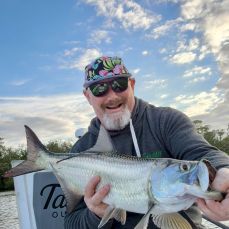
Paul Duffey
Clearwater, Florida, United States
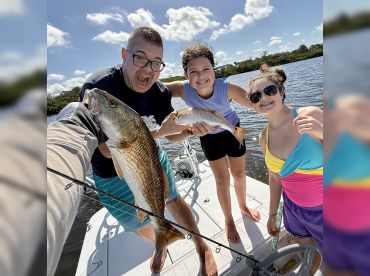
TIGHTLINES CHARTER Family Friendly to Expert! thumbnail
Experience the Ultimate Fishing Adventure with Tightlines Charter! Climb aboard our custom, very spacious, and exceptionally well-equipped Sea Pro 248 — one of the roomiest and most comfortable charter boats in the area — and discover why Tigh...
Andere verslagen van deze charter

Catch & Release Fishing in Clearwater –
Maart 13, 2026
Catch & Release Fishing on the Clearwater Flats If you’re planning a Clearwater Florida snook fishing charter, this time of year is one of the most important periods for protecting our fishery. As water temperatures rise and we move deeper into spring, more species become active — especially snook returning to the flats and staging to spawn. Right now, we’re still catching big trout and sheepshead, but the real story is what’s happening with snook and redfish. These fish are transitioning into their spawning cycle, and how we handle them today directly impacts the fishery we’ll have tomorrow. Why Catch & Release Matters (Especially for Snook) Snook are one of the most valuable, year round, inshore species we have here on Florida’s Gulf Coast — not just for fishing, but for the entire ecosystem. Here’s what most people don’t realize: A single female snook can release around 1 to 1.5 million eggs per spawn They can spawn multiple times per season — sometimes every couple of days Spawning season runs spring through early fall, right when most anglers are targeting them That means one healthy slot or oversized snook could potentially produce millions of offspring in a single season. But here’s the reality: Only about 1 in every 5 million eggs survives to reach legal size That’s why releasing these fish — especially the bigger ones — is so important. The Bigger the Fish, The More Important the Release Snook have a unique life cycle: Most smaller fish are male Larger fish become female breeders So when you release a big snook, you’re not just letting one fish go — ? You’re protecting a major contributor to the entire population. This is especially important right now as fish begin to move toward passes, beaches, and spawning areas around Clearwater and Tampa Bay. What We’re Seeing on the Water Right Now On recent trips: Snook are starting to show back up on the flats Big redfish are cruising shallow water Trout and sheepshead are still providing steady action This mix of species makes it a great time to fish, but also a critical time to practice responsible handling and release techniques. Best Catch & Release Practices When we’re targeting snook and other inshore species, a few simple things make a huge difference: Keep fish in the water as much as possible Use circle hooks when fishing live bait Handle fish with wet hands Avoid dragging fish onto dry decks Minimize time out of the water for photos Revive fish properly before release These small actions dramatically increase survival rates. Teaching the Next Generation One of the best parts of running family fishing charters in Clearwater is teaching kids not just how to catch fish — but how to respect them. A lot of our trips now focus on: Learning how to handle fish properly Understanding why we release certain species Seeing how healthy fisheries benefit everyone It’s not just about catching fish — it’s about making sure they’re there for years to come. The Future of Clearwater Fishing The fishery we enjoy today exists because of responsible anglers before us. With snook populations recovering and growing in recent years, continuing strong catch and release practices — especially during spawning periods — is key to keeping the bite strong. Whether you’re targeting snook, redfish, trout, or just looking for a fun day on the water, practicing conservation helps ensure that Clearwater fishing stays world-class.
Verder lezen
Spring Transition Fishing in Clearwater:
Maart 2, 2026
Spring Transition Fishing on the Clearwater Flats & the Gulf If you’re looking for spring inshore fishing charters in Clearwater Florida, right now is one of the most exciting times of the year on our local flats. The Gulf Coast is in that seasonal transition where winter species are still biting, but our spring and summer fish are starting to move back into the shallows. On recent trips we’ve been seeing big speckled trout and sheepshead still holding strong, while at the same time snook are beginning to show up on the flats again and redfish are cruising shallow water. For anglers, this overlap creates some of the best mixed-bag fishing of the entire year. Big Trout Still Biting Even though water temperatures are warming, the trophy trout bite is still going strong. Many of these fish spent the winter staged around deeper grass flats and potholes, and they continue feeding aggressively as bait starts to return to the area. We’ve been finding our best trout by working: Deeper grass flats early in the morning Sandy potholes along the edges of the flats Areas with good tidal movement and shallow grass flats late in the day Both live shrimp and artificial lures have been producing, and the size of some of these trout this time of year can be impressive. Sheepshead Season Still Hanging On Another species that is still providing steady action is sheepshead. While the peak of the spawn is beginning to wind down, plenty of fish remain around structure, docks, and rocky areas throughout Clearwater and the surrounding coast. Sheepshead are a great target for anglers of all experience levels because: They fight hard for their size They are plentiful this time of year (really year round) They are one of the best tasting fish in the Gulf Live shrimp fished close to structure continues to be the most reliable way to hook up with these striped bandits. Snook Returning to the Flats One of the most exciting signs of the season changing is the return of snook to the shallow flats. As water temperatures stabilize, these fish begin moving out of their winter refuges and back into areas where they’ll spend the warmer months. Seeing them hovering in the shallows warming up is one of the best spring sights to see! Seeing snook start to appear again means: Sight fishing opportunities increase More topwater action in the mornings Exciting light-tackle fights Hooking a snook in skinny water is always a highlight of any trip. Big Redfish in Shallow Water Along with the snook movement, we are also starting to see big redfish cruising the flats. These fish are often found in extremely shallow water, sometimes tailing or pushing wakes as they move through the grass. For anglers who enjoy sight fishing, this is one of the best times of year to: Spot redfish from a distance Make precise casts with artificial lures or flies Watch the fish react to your presentation There’s nothing quite like watching a redfish track down a bait in clear, shallow water. A Great Time for a Mixed-Bag Trip Because of this seasonal overlap, many trips right now are producing multiple species in a single outing. It’s not unusual to catch trout and sheepshead early in the trip and then spend the rest of the time targeting redfish or snook as the tide changes. This variety makes early spring one of the best times for anglers who want to experience everything Clearwater’s inshore fishery has to offer. We look forward to seeing you on the boat!
Verder lezen
Clearwater Gator Trout Bite Heats Up!
Januari 1, 2026
Clearwater inshore fishing charter for big speckled trout The new year kicked off with outstanding action on our Clearwater inshore fishing charters, as winter conditions lined up perfectly for targeting big gator speckled trout. Cooler water temperatures, lighter boat traffic, and stable weather created an ideal setup, and the trout responded by feeding aggressively throughout the week. These winter trout are exactly what many anglers wait all year for. Larger fish grouped up on predictable structure, making it possible to target quality over quantity while still enjoying steady action. Several trips this week produced trout well into the upper slot, with a few true gator-class fish that made for unforgettable catches and great photos. Where We Found the Fish Most of our success came from working shallow grass flats with nearby depth changes, focusing on potholes, edges, and subtle depressions where trout can ambush bait. On incoming tides, fish pushed up shallow and fed actively, while outgoing water pulled larger trout toward drop-offs and channel edges. Mangrove shorelines near grass flats also played a key role, especially on days with light wind and clear water. These areas provide warmth, cover, and bait, making them prime winter holding spots for larger trout. Best Baits and Techniques Live shrimp was the top producer this week, especially when fished slowly under a Four Horseman popping corks or on an unweighted float near structure. Artificial lures also performed well, particularly soft plastics and suspending twitch baits worked deliberately along the bottom. Slowing down presentations was critical — winter trout aren’t willing to chase far, but when you put a bait in front of them, they commit. Light tackle made these fish even more fun, and it’s a great way for kids and first-time anglers to experience solid fights without feeling overwhelmed. Why Winter Is Prime for Family-Friendly Trips January is one of the best months for family-friendly inshore fishing in Clearwater. The calmer seas, cooler temperatures, and protected waters make trips comfortable and productive. Trout fishing offers consistent bites without long runs, which is ideal for younger anglers or anyone looking for a relaxed day on the water. In addition to great fishing, winter trips often include encounters with dolphins, manatees, and a wide variety of bird life, adding to the overall experience and making these trips just as much about enjoying Florida’s natural beauty as catching fish. Why Gator Trout Are Special Big speckled trout are territorial, smart, and selective feeders. Catching them consistently requires understanding tides, water temperature, and bait movement — all things that come together during the winter months. January is when patience pays off, and this week proved just how rewarding that can be. For anglers chasing a personal best trout, now is the time to be on the water.
Verder lezen