Fishing Report | August 27th
Augustus 27, 2025 Lake Havasu City 2 photos
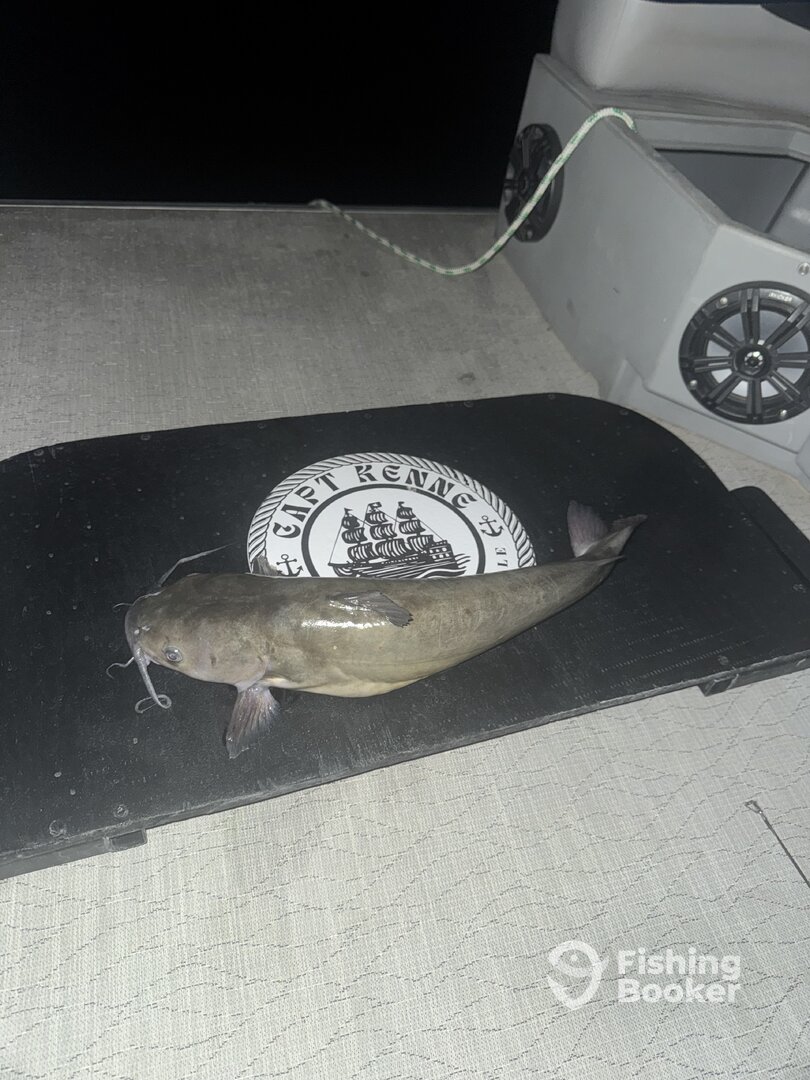
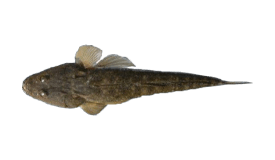
Flathead
Platkopvis
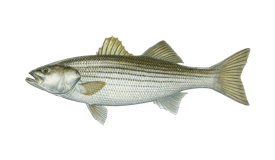
Bass (Striped)
Gestreepte Zeebaars
Sunfish
Sunfish
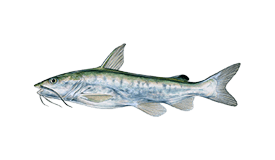
Catfish
Katvis

Trip Summary

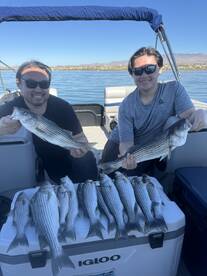
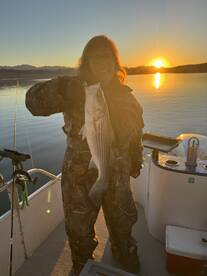
Air temps were in the low 100s, water temp held steady at 82°F, and we fished depths ranging from 20–40 feet. As many of you know, my wife and I are expecting our baby soon—originally planned for September 4th. But like most good things in life, expect the unexpected! She began contractions Wednesday at just 37 weeks. With several catfishing trips already booked for September and a few hours to stay close in cell service, my very understanding wife gave me the green light to sneak out for some scouting before the big day. I launched around 5 PM and planned to fish until about 11 PM. Bait was first on the list, though the red ear sunfish I was finding were more trophy-size than bait-size! Finally, at my third stop, I managed four smaller bluegill for the livewell. My first anchor set was at sunset on a transition line where a deep hole met a shallow flat. With flatheads being creatures of routine, my rule is 45 minutes per spot unless I get a bite. That first spot was quiet, so I moved on. At spot number two, I hooked into two flatheads under 10 lbs before things shut down. My final move—just 150 yards—produced a solid 8 lb channel cat on cut bait to wrap up the catfishing. Before calling it, I dropped the green light for some video and to see if I could grab a few stripers for dinner. Within 15 minutes, a good school was under the boat, and I managed to land a few keepers. Great scouting night, and the bite is only going to get better as temps start to cool down.
Kenneth Probst
Lake-havasu-city, Arizona, United States
Capt.Kenne Charters – Lake Havasu thumbnail
Welcome to Capt. Kenne Charters, based in beautiful Lake Havasu City! Book your next fishing adventure with us and discover what makes these waters so special. With Captain Kenneth at the helm, you'll benefit from years of knowledge and experience as...
Other reports from this charter

Capt Kennes Fishing Charter Lake Havasu
November 30, 2025
Water temps have now settled into the low 60s, fluctuating slightly depending on wind and daytime highs. Sunrise is around 7:30 AM, and with early December forecasted to bring highs in the upper 60s and lows in the upper 40s, I expect surface temps to continue dropping. Winter patterns are setting in, and the fishing is shifting right along with them. With a lake as large as Havasu (19,300 surface acres), this report reflects what I and my clients have personally experienced based on the areas we’ve focused on. There are several fantastic guides on this lake, and many fish different zones or use different techniques. The best advice I ever received—and what I still live by—is to always stay humble, stay curious, and keep learning from others. None of us will ever “know it all,” and every angler brings something valuable to the table. The past two weeks have been packed with charters, and I’ve spent fifteen straight days on the water. We’ve had some incredible action mixed with some tougher days that required grinding it out, but overall the bite has been solid. Most of my time has been spent from Twin Palms down to Cattail State Park, and that’s where this report will focus. In this stretch, water temps have consistently run about 1–2 degrees warmer than the north end. This zone has been holding plenty of shad and striper, and the bird activity has been steady every morning. The timing of the boils has been inconsistent, so it’s very much a matter of being in the right place at the right moment but the signs are there. Even when they’re not blowing up on the surface, birds circling low or making short dives tell you you’re in the right neighborhood. During boils, our best producers continue to be white/pearl paddle tails on ½–¾ oz jig heads and ¾–1 oz jigging or flutter spoons. With paddle tails, I have clients cast past the boil and work the bait through it with a mix of steady retrieve, pauses, and rod pops. For spoons, we’re doing two things: • Vertical jigging when we’ve got schools stacked directly under the boat — drop straight down, pop the jig a couple of times, then let it fall on a slack-ish line so it can flutter. Most hits come on the fall. If your line stops sinking unexpectedly, reel down and set the hook immediately. • Casting spoons by bombing them past the action, counting down 7–12 seconds, popping the jig upward, then letting it flutter back down before repeating. This is a deadly technique when the fish are spread out or the boil is small. We’ve made a few attempts to net shad in the Bill Williams River, but the schools aren’t dense yet. They’re there—just not in big numbers. You might have better luck, so take that info for what it’s worth, and feel free to share if you crack the code! Overall, clients have been extremely happy with the steady action and high catch rates. The bigger fish are starting to show, the water is cooling fast, and we’re just now entering my favorite stretch of the entire striper season. It’s only going to get better from here.
Continue reading
Lake Havasu Fishing Report – Oct 28 to N
November 5, 2025
Water temps have cooled off, sitting around 68° in the early mornings and warming to about 71° by the afternoon. Sunrise is just after 7 AM, and mornings have been calm with light wind—building out of the south later in the day. The lake is still turning over, leaving the north end pretty green and murky, while the south end is starting to clear up thanks to more wind and current flow. Trolling has been on the slower side overall, but the fish we’re catching have been solid quality. On Nov 5, I landed a fat, healthy striper just shy of 5 lbs on a 6" paddle tail. I’ve been running 4"–6" pearl and white paddle tails on 1 oz jig heads, as well as dark-colored lipless crankbaits early and white once the sun hits the water. With visibility still low, I’ve been adding a touch of Pro-Cure gel scent, which has made a noticeable difference in converting short strikes into hookups. Productive trolling and casting zones include Pilot Rock down to Standard Wash, The Sod Farm, and Copper Canyon up to Grass Island, all holding good bait and striper activity. Boils have been inconsistent—no solid pattern yet—but when they go off, it’s fast and furious. The Three Dunes area continues to produce the best morning action, with boils starting 20 minutes before sunrise and lasting about an hour. Fish there have been 2–4 lbs and hitting jigging spoons, paddle tails, and blade baits. Up north, Thompson Bay has seen smaller, 1–1.5 lb fish, but the boils there sometimes linger into the late morning, giving anglers more time to work them. When the bite slows, bait fishing with anchovies remains reliable and brings plenty of mixed catches—stripers and channel cats. Some of the best bait spots have been Grass Island, Thompson Bay, and out in front of the Casino. Clients have been catching non-stop schoolie striper mixed with a few quality fish throughout the day. Overall, fishing has been steady to strong, and with water temps continuing to fall, the bite should only get better!
Continue reading