Holy mackerel the fishing is HOT!
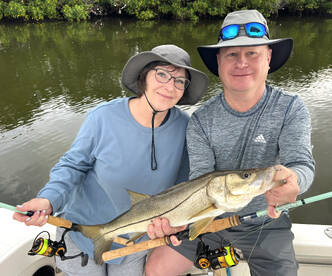
Juli 23, 2023 Tampa 2 photos
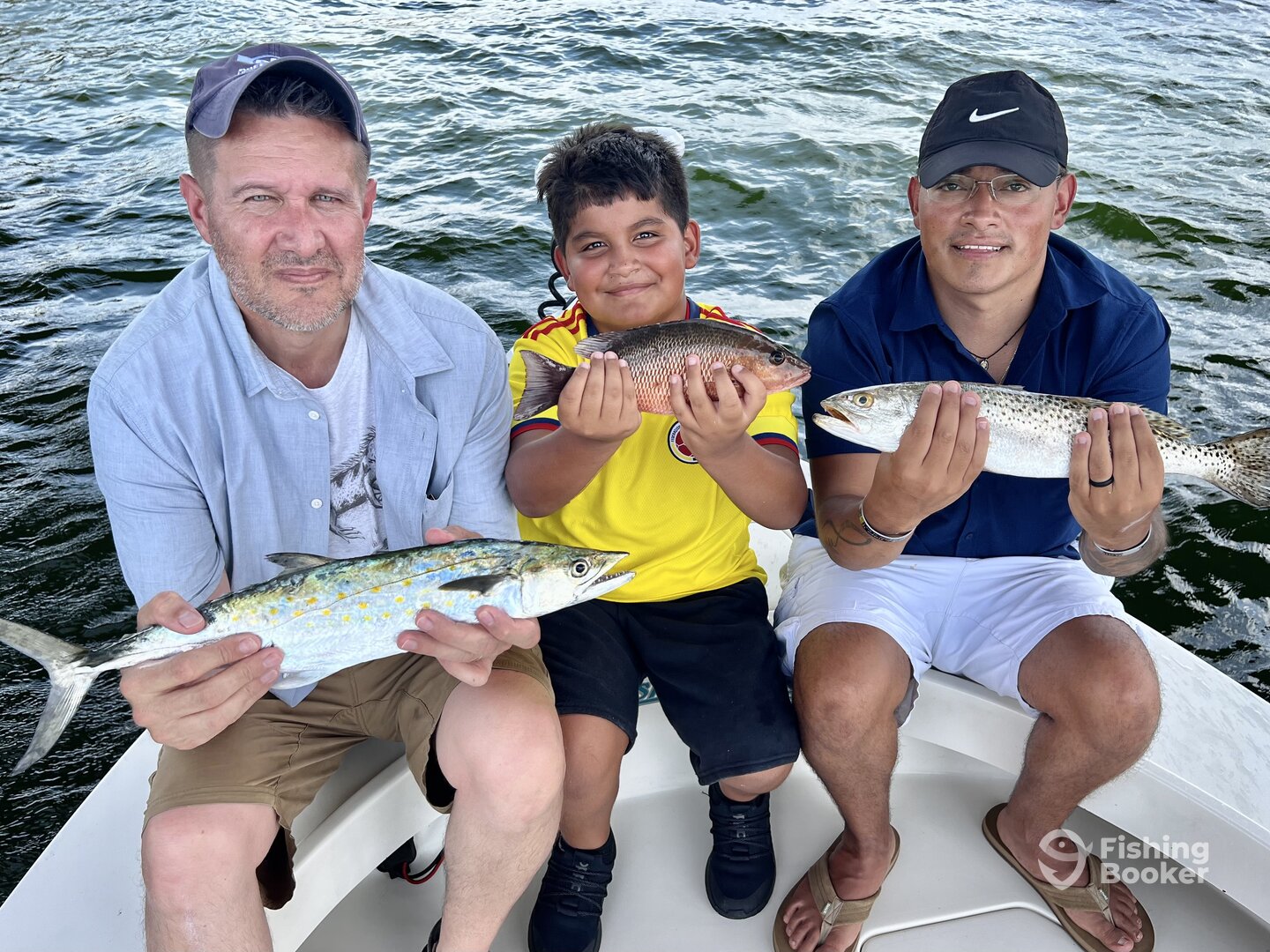
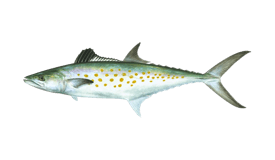
Spanish Mackerel
Gevlekte Koningsmakreel
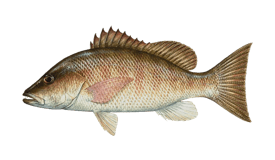
Snapper (Mangrove)
Grijze Zeebaars (Grijze Snapper)
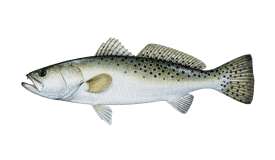
Spotted Seatrout
Gevlekte Ombervis

Trip Summary

Spanish mackerel, mangrove snapper and spotted seatrout are keeping anglers busy with non-stop action. Whether you want some fish for dinner or just want catch and release, now is an excellent time to go fishing aboard Afishionado.

Wade Osborne
Tampa, Florida, United States
Afishionado Guide Services, Inc. thumbnail
Experience world-class light tackle spin, fly or plug inshore sportfishing with 28-year veteran, Captain Wade Osborne. Catch snook, redfish, seatrout, cobia, tarpon, sharks, mangrove snapper, Spanish mackerel, and more aboard Afishionado. Most charters ar...
Other reports from this charter

Shrimp For The Win!
Shrimp For The Win!
December 6, 2025
I always say, “Fish are Fickle.” That’s particularly true this time of year with the advent of a passing cold front every three to four days. One day the fish are active, the next day lethargic. After a cold front, even when I take the time to catch scaled sardines before picking up my charter clients the fish barely responded to them. Fortunately, I always stop on my way to the boat ramp and buy some live shrimp for a backup. Having those shrimp aboard usually saves the day. At times like these, turning shrimp can make all the difference in the world. These hardy baits are appealing to game fish even when bait fish become scarce, dramatically increasing your chances of a successful catch. Shrimp are known as the “Sara Lee” of baits. “Nobody doesn’t like a Sara Lee.” Snook, redfish, seatrout, sheepshead, and more love them. I could go on and on, but you get the picture. Not to sound like “Bubba” from the movie Forrest Gump, but you can catch fish with live shrimp, dead shrimp, frozen shrimp, or pieces of shrimp. “That’s, that’s about it!” Additionally, crustaceans like shrimp are not only versatile but also resilient in colder water conditions, which makes them a reliable choice when other baits fail. Their natural scent and movement attract a wide variety of species, ensuring that anglers have a dependable option throughout fluctuating water temperatures. If you like to fish with artificials or flies, shrimp imitations are the perfect cold weather bait. When making a presentation, the key to success is to work the fake bait slowly. I always remind people, “if you think you’re working it slow enough, slow it down even more.” Also, remember the fish you’re after are most likely in deep water, so let the bait sink before working it back to the boat. For you fly anglers, it’s best to use a sinking tip fly line to help keep the bait down in the water column. Although, the sheepshead spawn doesn’t occur until late winter to early spring, primarily from February through April, they’re becoming more active. Cold water temperatures really turn sheepshead on, and they start to school up. As we move into the latter part of January, you’ll encounter more schools and larger specimens. Key areas to target are rocky structures, bridge pilings, and docks where sheepshead tend to congregate during these colder months. Using shrimp around these areas can yield impressive results, especially as the fish grow more aggressive in anticipation of the spawning season. Patience and persistence are key, as sheepshead can be notorious bait stealers, but the payoff is well worth the effort. As for terminal tackle, the lighter the better. When fishing during colder periods, it’s also beneficial to downsize. Due to the lack of rain, the water clarity is excellent in most of Tampa Bay right now. For that reason, I’ll drop down to 20lb. fluorocarbon leader and a 1/0 hook, especially when targeting sheepshead. Lighter lines and smaller hooks can help present crustacean baits more naturally, leading to more strikes from wary fish. Adjust your approach based on water clarity and current conditions for the best results. When fishing structure where additional weight is needed, I’ll add just enough split shot to get the shrimp down to the fish. Afishionado, “Adventures in Fishing.”
Continue reading
Springtime is Slam Time!
April 21, 2024
If you’ve never achieved an “Inshore Slam” now is the time! Every year when spring rolls around, the grass flats throughout Tampa Bay come alive. As baitfish start moving onto the flats, snook, redfish and seatrout follow. When this occurs, it’s the easiest time to achieve an inshore slam. If you don’t know what that is, it’s when you catch a snook, redfish and seatrout on the same outing. Now many of you may think that should be easy. Well, it’s easier said than done for some people. You’d be surprised how many people have been fishing with me that have never caught a slam. Occasionally, I meet a few anglers who have lived in the Tampa Bay area and fished all their life, but the slam eludes them. If an inshore slam is something you would like to pursue, you might assume that catching a seatrout would be the easiest and save that for last. Not necessarily, at times it can be the most difficult to land. That’s why many times, I’ll start out fishing around some sandy potholes on the grass flats trying to catch the seatrout first. If I have no success, I’ll move on snook and redfish and come back to seatrout to close the deal. While in pursuit, here’s where I look for that snook and redfish. With water temperatures back in the low 70s snook are moving out of the back bays, creeks, and rivers and seeking shelter along the mangrove shorelines and points. Snook feed best on a good tidal flow. Some days it may vary whether they prefer an incoming or outgoing. So, just make sure the current is moving. To get the action going, I toss out a few live scaled sardines and wait for the snook to respond by attacking the freebies. Once they start feeding, I have you cast a hooked live sardine to the same spot for an instant hook up. If you get lucky, you’ll be able to catch numerous snook in the same spot. If I’m fishing during an incoming tide and it’s reaching its peak, I’ll move on to redfish. Redfish like to feed on crustaceans around oyster beds and barnacle encrusted mangrove roots during a high tide. When I find a spot with both, I’ve found a redfish goldmine. Redfish also like to travel with mullet. The reason: mullet flush baitfish and crustaceans out of the grass as they feed. Anytime I spot a school of mullet I get out in front of them and Power Pole down. In either scenario, I always start by chumming with scaled sardines. After that, you cast a bait out that’s suspended under a cork. Once the cork goes under, give the fish 2-3 seconds to eat the bait, then when you reel and get your line tight, lift your rod for a solid hook set. Afishionado, “Always an Adventure.”
Continue reading